
Instituto Internacional
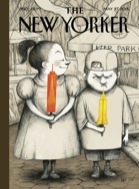
Nuevo número recibido de: THE NEW YORKER (May 27, 2013)
Índice de éste número en página The New Yorker. Ver números anteriores disponibles en la biblioteca
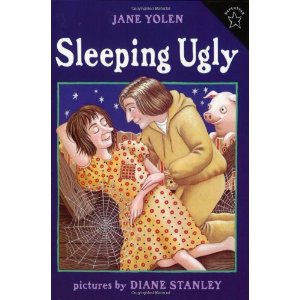
Reader’s Theater at the Library June Session
New activity at the library to learn and have fun at the same time using dramatic reading of scripts based on children’s stories. Kids will hear the story, do some drama exercises, and practice reading the scripts with intonation and expression. This activity is for 9 to 12 years-old (4º-6º Primaria) with a high-intermediate or
Nuevo número recibido de: The Economist (25th May -31st May 2013)
Índice de éste número en página The Economist Magazine. Ver números disponibles en la biblioteca
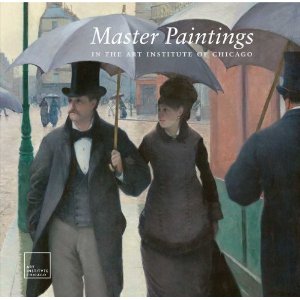
Las novedades destacadas de la semana
“Master Paintings in the Art Institute of Chicago” selected by James Cuno “This revised, expanded, and redesigned edition of a best-selling book from the Art Institute of Chicago features many favorite paintings from the collection—approximately 150 works from Europe and the Americas, ranging from the 15th to the early 21st century. Twenty-three images from the
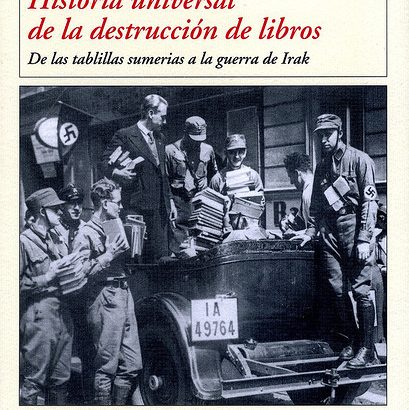
Los libros preferidos de nuestros lectores
“Historia universal de la destrucción de libros: de las tablillas sumerias a la guerra de Irak” por Fernando Báez “Minucioso y fascinante recorrido por la historia universal de la destrucción de los libros, pasto de la voracidad de los insectos, las inundaciones, las llamas, las guerra y sobre todo de la vocación destructora de los
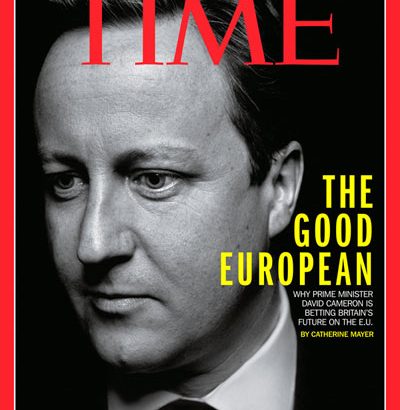
Nuevo número recibido de: TIME (vol. 181, nº 21. June 3, 2013)
Sumario de éste número en página Time Magazine. Ver números disponibles en la biblioteca
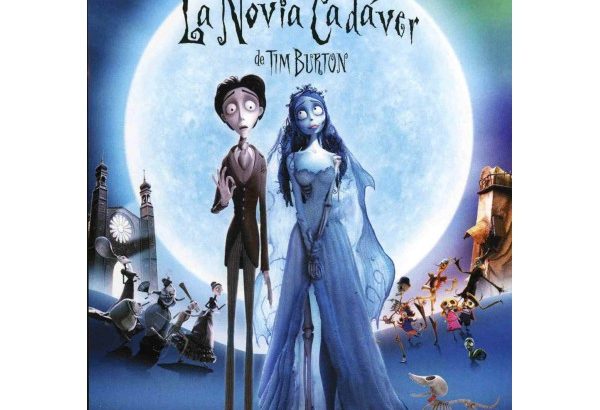
Las películas preferidas de nuestros lectores
“La novia cadáver” de Tim Burton “Un hombre pone en el dedo de una mujer muerta, como broma, un anillo de compromiso. Pero lo que no sabe el pobre mortal es que la muerta reclamará sus derechos como “prometida”.” Extraído de Filmaffinity. Ver además: http://wwws.warnerbros.es/corpsebride/ http://www.ecartelera.com/peliculas/la-novia-cadaver/ http://www.paramountchannel.es/2012/10/07/la-novia-cadaver/ Los títulos recomendados están en la Biblioteca del
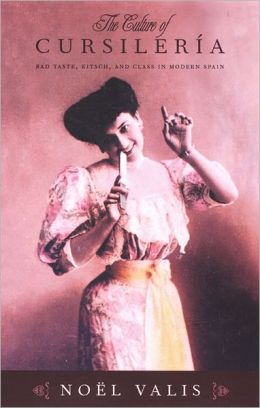
Los libros preferidos de nuestros lectores
“The culture of cursilería: bad teaste, kitsch, and class in Modern Spain” by Noël Valis “Not easily translated, the Spanish terms cursi and cursilería refer to a cultural phenomenon widely prevalent in Spanish society since the nineteenth century. Like “kitsch,” cursi evokes the idea of bad taste, but it also suggests one who has pretensions
Los libros preferidos de nuestros lectores
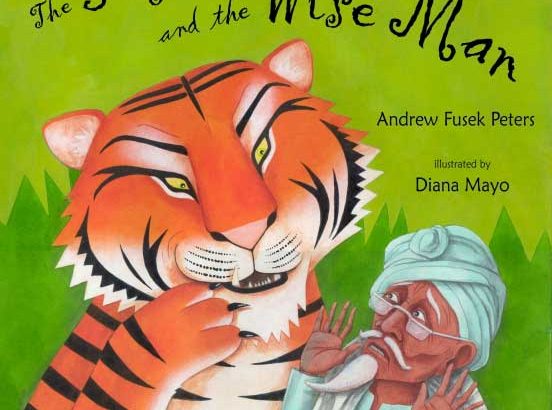
“The tiger and the wise man” by Andrew Fusek Peters & illustrated by Diana Mayo “When a tiger plays a trick on a wise man, how will he escape being eaten, especially when it seems that all the animals are against him? Will the jackal help him, or is it simply another trick? A traditional
Las novedades destacadas de la semana
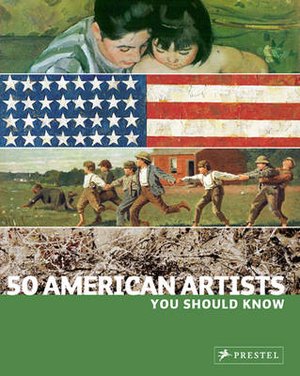
“50 american artists you should know” written by Debra N. Mancoff “Accessible and informative, this book is a gorgeous introduction to great American artists. While the history of American art is as varied as the fifty states the country is comprised of, it tells a story of a uniquely American aesthetic: bold, innovative, and uncompromising…”