
ACS
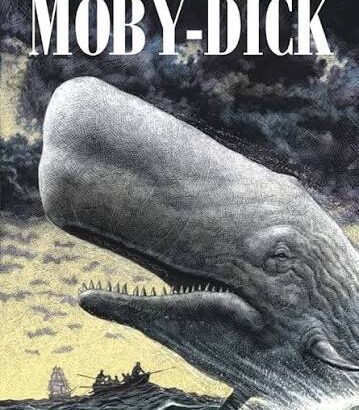
Moby Dick: A Window into America
Explore Moby-Dick as a gateway to American history, culture, and identity. This four-session course examines the world of whaling, the unforgettable characters of Ahab and Ishmael, and the novel’s enduring themes of obsession, race, freedom, and humanity’s relationship with nature. The course concludes with a special guest session and Q&A featuring renowned Melville scholar Dr. Wyn Kelley.
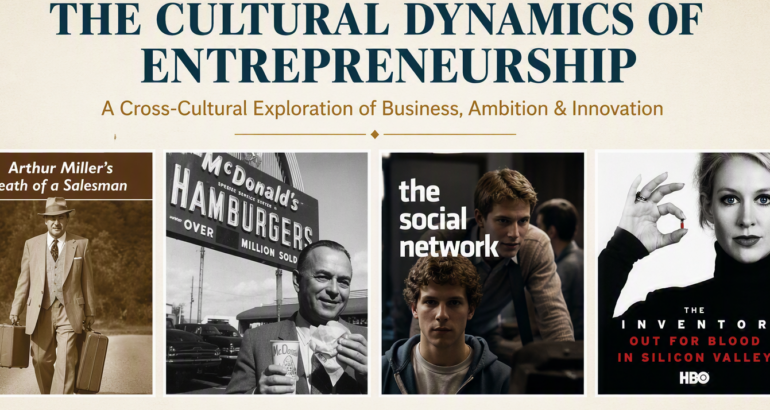
The Cultural Dynamics of Entrepreneurship
How do culture, risk, and ambition shape the way businesses succeed? This course explores the evolution of American entrepreneurship, from the rise of industry to the age of technology, while comparing business culture in the United States and Spain. Through film, discussion, and real-world examples, participants examine how attitudes toward innovation, failure, leadership, and opportunity influence entrepreneurial success.
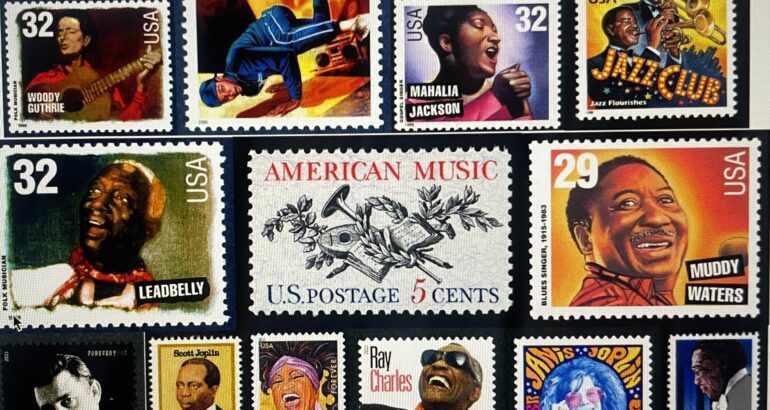
The American Songbook: Music, Identity, and Cultural Change
From Jazz and Blues to Rock and Rap, explore the sounds that transformed a nation. Through music, film, and discussion, uncover the cultural forces behind America’s most influential musical traditions.
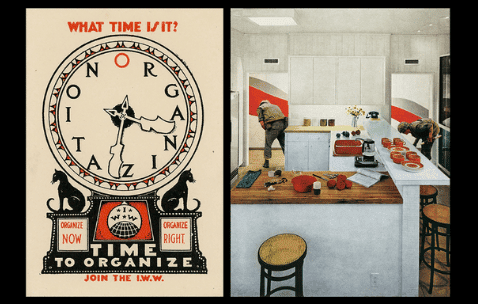
A People´s Art History: Art and Social Change in the United States
Art has long been a tool for resistance and a way for communities to imagine change. This course explores an alternative history of American art — one shaped by activists, outsiders, and visionaries rather than galleries or markets.
Across eight sessions, we’ll look at how artists fueled movements from abolition and labor organizing to civil rights, feminism, AIDS activism, and today’s community‑based practices. No art history background needed — just curiosity.
Inspired by Nicolas Lampert’s A People’s Art History of the United States and Tom Finkelpearl’s What We Made, the course blends discussion, visual exploration, and collaborative activities to show how art becomes a catalyst for justice.
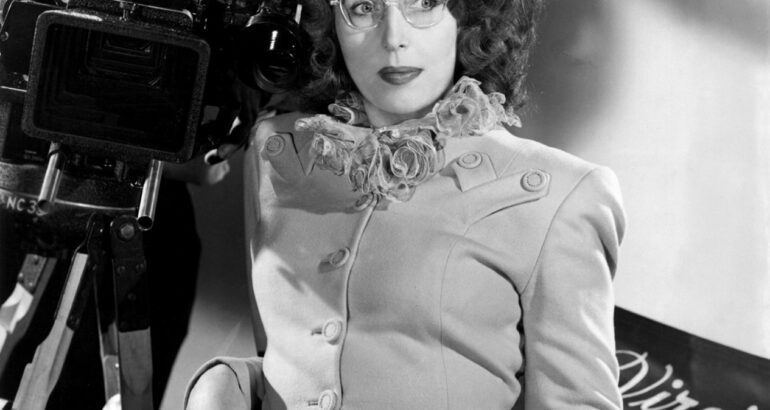
Pen Fatale: Classic Film Noir Written and Produced by Women
American film noir of the 1940s and 1950s has attracted a great deal of scholarly attention, especially for its most recognizable elements such as dramatic lighting, dark and moody settings, hard-boiled detectives, and deadly femmes fatales. However, one aspect of film noir that has been less explored is the role of creative women behind these tales of angst, mystery, and moral ambiguity.
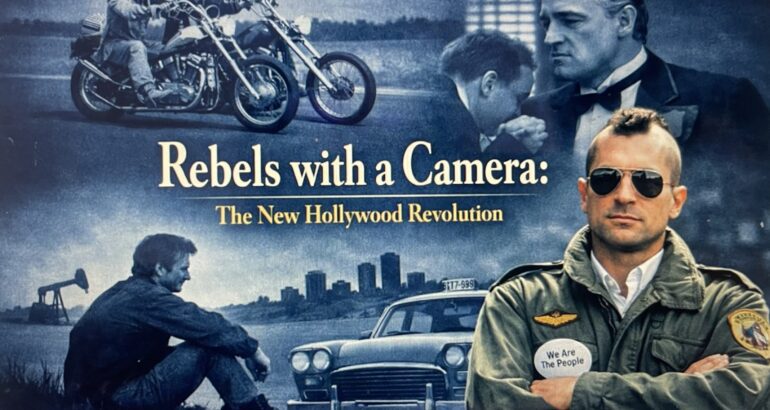
Rebels with a Camera: The New Hollywood Revolution
Discover how the fall of censorship and studio control gave rise to New Hollywood, a bold era of independent filmmakers who redefined American cinema. This course traces the shift from Old to New Hollywood, exploring how directors like Scorsese, Coppola, and De Palma captured the spirit of the counterculture and reshaped the stories Americans tell about themselves.